

The cooling system maintains the engine temperature during every single drive. Heater hoses play a critical role within this complex thermal network. These rubber lines transport hot coolant between the engine and the cabin heater core. A failure in these hoses leads to rapid coolant loss. Overheating often causes permanent engine damage if the driver ignores the signs. Professional technicians follow specific steps to identify these hidden cooling system problems. Expertise ensures the vehicle remains safe for long journeys.
Visual Inspection Techniques
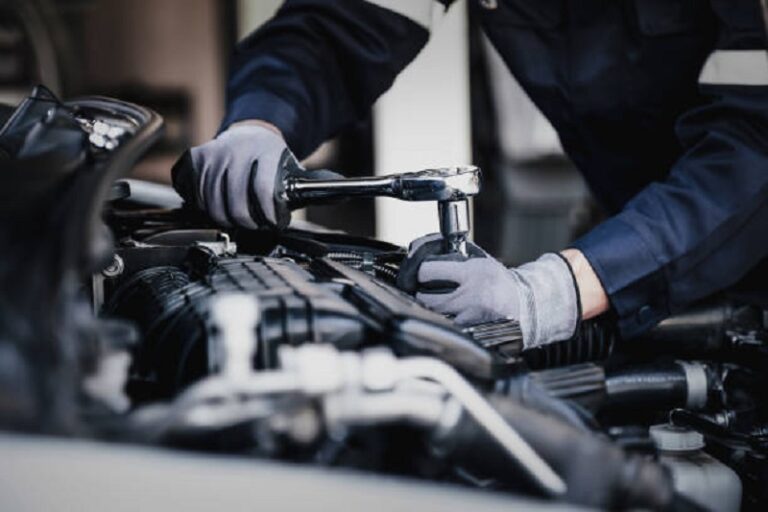
Technicians begin with a thorough visual check of the entire engine compartment. They look for dried crusty residue around the hose connections. These white or green deposits indicate a slow seepage from the rubber. Sometimes, the hose looks shiny or oily due to chemical degradation. This condition suggests that oil from the engine has weakened the hose structure. J&S Auto Repair experts watch for small cracks in the outer protective layer. These tiny fissures eventually grow into large splits under high pressure. Heat causes the rubber to become brittle over long periods of operation. The technician looks for any signs of bulging near the metal clamps.
Pressure Testing the Entire Cooling System
The visual check might miss pinhole leaks hidden behind other engine parts. Technicians use a specialized pressure pump to find these elusive cooling leaks. They attach the tool to the radiator neck or the coolant reservoir. The pump forces air into the system to simulate actual operating conditions. J&S Auto Repair staff monitor the pressure gauge for any steady drops. A falling needle proves that coolant is escaping from a hidden breach. Now, the technician searches for the spray of liquid under the forced pressure. This method finds leaks that only appear when the engine is hot. It prevents the car from breaking down on the open highway.
Chemical Analysis of the Coolant Fluid
The condition of the fluid affects the longevity of the rubber hoses. Technicians use test strips to check the acidity of the engine coolant. High acid levels eat the hose from the inside toward the outside. This process is called electrochemical degradation and ruins the rubber quickly. J&S Auto Repair provides this detailed testing to prevent future hose bursts. Sometimes, tiny metal particles act like sandpaper against the inner hose walls. The technician looks for signs of electrolysis within the cooling system components. Proper fluid chemistry keeps the rubber flexible and strong for many years. You deserve a cooling system that works perfectly in every season.
Conclusion
A systematic approach ensures that every cooling system component stays healthy. Skilled technicians combine visual cues with advanced tools to find every fault. Early detection saves the owner from expensive engine repairs and towing fees. The Auto Repair in Cranston, RI service ensures that your vehicle handles the heat of the road. Trust the experts to maintain the vital arteries of your cooling system.