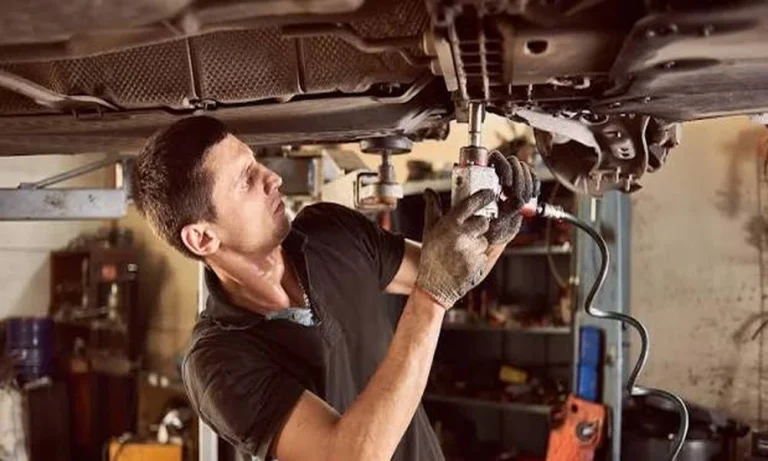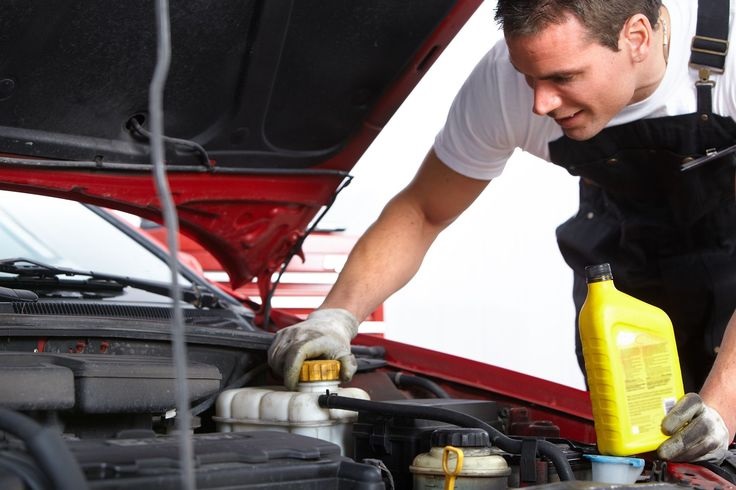


Modern engines require precise thermal management for optimal performance. You might overlook the humble rubber lines under the hood. However, heater hoses play a vital role in the initial warm-up cycle. These components transport hot coolant from the engine block to the passenger cabin heater core. This process influences how quickly the engine reaches its ideal operating temperature. Efficient heat transfer ensures a smooth start on cold mornings. Dough’s Alignment and Complete Auto Care understands the science behind these cooling system components.
The Connection Between Coolant Flow and Thermal Stability
Coolant begins its journey inside the hot engine water jacket. The liquid absorbs heat generated by internal combustion during the first few minutes. But the thermostat remains closed during the initial warm-up phase.
This restriction forces the fluid through the heater hose circuit instead. Now the bypass loop allows the engine to circulate warm fluid internally. Rapid circulation prevents hot spots from forming within the metal cylinder heads. Dough’s Alignment and Complete Auto Care technicians often check these hoses for soft spots or leaks.
The Influence of Hose Diameter on Fluid Velocity
Flow rate depends heavily on the internal diameter of the heater hoses. Narrow or restricted hoses create excessive backpressure within the water pump. But wide hoses might move the fluid too slowly for effective heating. The balance of pressure and speed dictates the efficiency of heat exchange.
Optimized flow allows the thermostat to open at the correct moment. Now the entire cooling system can transition into its steady-state operation. Dough’s Alignment and Complete Auto Care recommends using factory-specified hose sizes for every single vehicle.
Preventing Heat Loss Through Strategic Routing
Engineers design the path of the hoses to minimize thermal dissipation. Long hoses with many bends create more surface area for cooling. Short and direct paths provide the most efficient heat delivery to the cabin. You might find protective heat sleeves on hoses near the exhaust. These shields prevent external heat from damaging the rubber over time. Proper routing also avoids contact with moving parts like the cooling fan. Maintaining the original layout is essential for consistent engine warm-up performance. Auto Repair in Goshen, IN provides expert inspections for these critical fluid transport lines.
Summary of Thermal Management Success
The efficiency of an engine warm-up cycle relies on many small parts. Heater hoses act as the primary thermal bridge during the first miles. They manage the flow of heat between the block and the interior.
You benefit from a warm cabin and a fuel-efficient engine simultaneously. Keeping these hoses in top condition saves money on long-term fuel costs. Durable components ensure that the engine operates within its intended thermal range.