

A car depends on every part for safe travel. A single weak piece can cause danger. A wheel stud may seem small yet it holds great importance. When a wheel stud fails a wheel can loosen or detach. Such failure can cause damage or loss of control. Every driver should understand the signs of wheel stud failure. This knowledge builds confidence and security on the road. HTC Automotive Repair emphasizes the importance of paying attention to these signs to ensure safety.
Understanding the Role of a Wheel Stud
A wheel stud holds the wheel tight to the hub. It keeps the wheel aligned and stable. When a stud cracks or breaks the bond weakens. The wheel may wobble or shift slightly. A loose wheel makes odd noises. The sound may grow louder with speed. A failing stud also creates vibration. The steering may feel unsteady or rough. That uneven motion is an early alert. Early recognition can stop severe damage. Regular checking helps detect weakness quickly. Drivers in areas like Auto Repair in Boulder, CO can benefit from expert inspections to avoid such problems.
Common Signs of Wheel Stud Failure
A sudden clicking sound around the wheel is a warning. It often happens when one stud breaks. The wheel may vibrate at slow speeds. The car may pull slightly to one side. The driver may feel shaking through the steering. This is often strongest when turning or braking. A faint burning smell may appear later. Metal parts may rub together under stress. The area around the hub may heat up. That heat shows friction and pressure. Stop the car safely when these symptoms appear. Immediate care prevents further harm.
Immediate Steps After Noticing a Problem
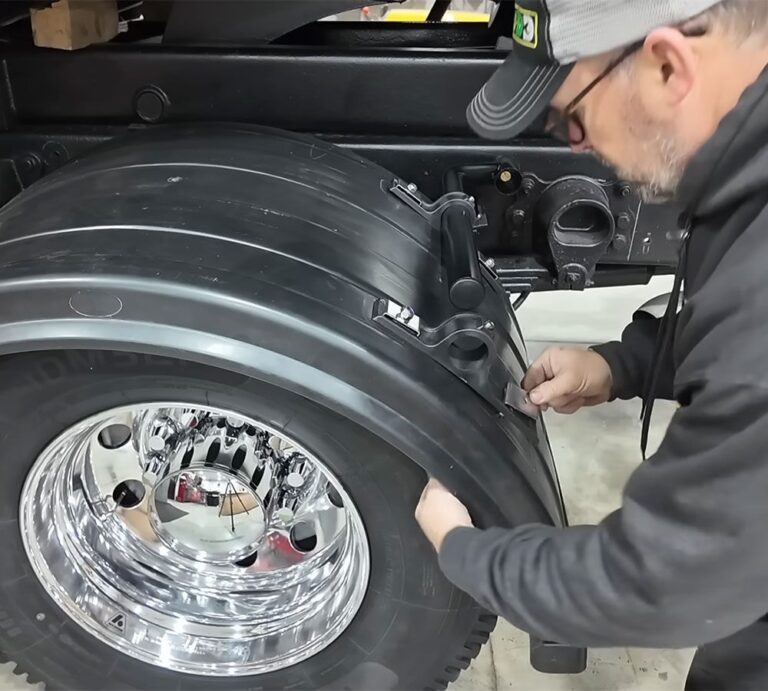
Once signs appear do not continue driving far. Inspect each wheel carefully. Look for loose lug nuts or missing studs. A single missing stud can affect balance. Do not try to tighten while hot. Wait until the parts cool. Seek help from roadside assistance or a repair shop like HTC Automotive Repair. Replace any damaged studs before driving again. Acting fast lowers repair cost and risk.
Preventing Future Wheel Stud Failures
Proper maintenance prevents future stud issues. Always ensure correct torque when tightening nuts. Over tightening can stretch the metal. Under tightening leaves gaps and stress points. Clean the wheel hub before fitting the wheel. Rust and dirt reduce secure contact. Use only high-quality parts during repair. Inspect the wheel area during each service. Replace worn or rusted studs quickly.
Conclusion
Wheel stud failure can be unpredictable. Yet awareness makes each journey safer. Understanding the clues ensures quick action. Small signs lead to major insights. A cautious driver can detect danger early. Consistent inspection and care make driving dependable. Every stud supports more than a wheel, it supports safety. Attention today prevents accidents tomorrow. Reliable travel depends on simple regular checks.