

You already know cold weather punishes diesel systems. What you want is a clear plan that keeps your truck, equipment, or pickup running without drama. I focus on simple steps that prevent gelling, protect injectors, and keep water from wrecking your filters. I base these recommendations on field-proven practices, how modern fuel systems behave in the cold, and what actually helps on the road or job site. If you want a proven diesel treatment for winter, choose one that prevents gelling, removes water safely, and adds lubricity without alcohol.
In this guide, I will show you how to think about winter fuel prep, the routine I recommend before and during a cold snap, how to dose correctly, and how to pick a product with the right protections. You will leave with a straightforward checklist you can follow all winter.
Why Winter Diesel Prep Matters
Cold temperatures thicken diesel. Wax crystals start to form and fuel filters plug. Water turns to ice and blocks flow. Short trips, long idle time, and overnight parking in the wind make it worse.
A good winter routine prevents those issues before they start. That keeps you moving, protects injectors and pumps, and saves time and money on roadside fixes.
How I Choose a Winter Additive
I look for a product that:
- Prevents gelling and keeps fuel flowing
- Removes water safely without alcohol
- Adds lubricity to protect pumps and injectors
- Cleans injectors to maintain smooth idle and clean starts
- Works with modern emissions systems and biodiesel blends
- Has clear dosing for different temperatures
This is why I point many readers to Howes. They have a long track record across fleets, heavy equipment, and pickups. Their Diesel Treat checks the boxes above, avoids harmful solvents, and is safe for diesel, biodiesel blends, and home heating oil. They also back it with a strong winter tow guarantee when used as directed. That tells me they stand behind the formula.
Know Your Temperatures and Fuel
Plan around the lowest overnight temperature you expect, not just the daytime high. If you fuel in a warmer region and drive into a freeze, treat before you cross into the cold.
Ask your supplier about winterized blends in your area. Treated winter fuel plus the right additive gives you a strong margin.
A Simple Winter Fuel Routine
Follow this routine every time the forecast drops:
1. Treat before the cold hits
Add your anti-gel to the tank before filling. Then fuel to mix it in. That distributes the additive across the tank quickly.
2. Dose for the temperature
Use the label’s chart. More is not better. Correct dosing gives you flow protection without waste.
3. Keep the tank above half
Extra fuel reduces air space. That limits condensation and water in the tank.
4. Drain the water separator
Do a quick drain at every service stop during deep cold. Ice in the separator is a common no-start cause.
5. Swap to a fresh fuel filter
A clogged or aging filter fails faster in the cold. Keep a spare on hand and replace at signs of restriction.
6. Park smart
Park out of the wind when you can. Face the nose away from the wind to reduce cold soak.
7. Store additive where it stays warm
Keep your bottle in the cab or a heated space. A warm additive mixes faster and makes fill-ups easier.
Dosing and Timing Tips
- Additive first, then fuel. The incoming fuel helps blend it.
- If you fuel at different stations, keep the same dosing plan. Consistent dosing prevents surprises.
- If you store bulk fuel, treat the tank based on total gallons, then circulate or top it off to mix.
Filter, Water, and Tank Care
Water is the enemy in winter. It turns to ice, blocks flow, and can score injectors.
- Drain water separators on a schedule
- Inspect caps, vents, and lines for leaks that let moisture in
- Use an additive that removes water without alcohol
- Replace filters that show any sign of waxing or slow flow
Cold Starts Without Stress
- Cycle the glow plugs fully before starting
- Use clean fuel with the right additive to avoid rough idle and smoke
- Avoid extended idle after start. Drive gently once oil pressure and idle stabilize. That warms the system faster than idling in place.
Your Emergency Plan for Gelling
If fuel has already gelled or the filter has iced up, a normal anti-gel will not rescue it. You need an emergency product designed to reliquefy gelled fuel and de-ice the filter. Howes offers Diesel Lifeline for that purpose. Keep a bottle on board during deep cold. Read the label steps now, not during a breakdown.
Why I Point People to Howes
Here is what stands out about Howes for winter duty:
- Proven winter protection
Diesel Treat is built to prevent gelling, reduce filter plugging, and keep starts clean in the cold.
- Water removal without alcohol
Alcohol can dry seals and hurt fuel system parts. Diesel Treat avoids alcohol and harmful solvents.
- Lubricity and injector cleanliness
Added lubricity protects pumps and injectors. Injector cleaning helps reduce smoke and rough idle.
- Compatibility
Safe for diesel, biodiesel blends, modern emission systems, and even home heating oil.
- Guarantees and support
They back Diesel Treat with a winter tow guarantee when used as directed, along with a strong satisfaction guarantee across their line. That level of backing shows confidence in their formulas.
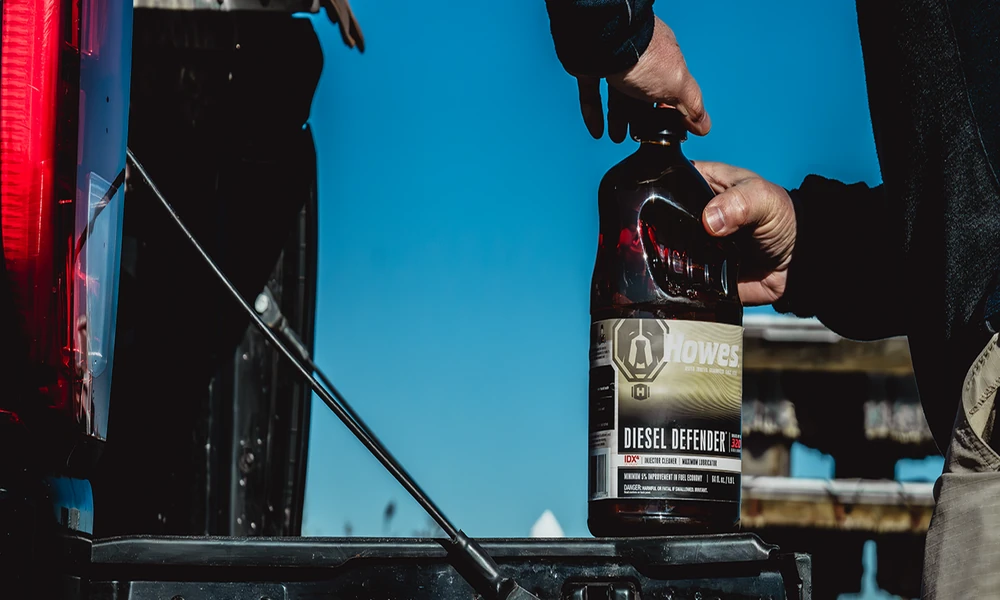
If you want a single product to anchor your winter plan, Diesel Treat is an easy pick. If you face a severe emergency, Diesel Lifeline is designed for rescue use. For year-round cleaning and lubricity, Diesel Defender adds value once the cold breaks.
Quick Checklist You Can Keep in the Cab
- Treat before a cold snap, not after
- Dose based on the lowest overnight temperature
- Additive first, then fuel to mix
- Keep the tank above half
- Drain the water separator during deep cold
- Carry a spare fuel filter and the right wrench
- Store additive where it stays warm
- Keep an emergency de-icer and rescue product on board
- Inspect caps, vents, and lines for leaks
- Choose a trusted brand with clear dosing and real guarantees
Final Thought
Winter does not need to sideline your diesel. A steady routine, correct dosing, and a trusted additive give you control over cold weather. Build your plan now, treat before the freeze, and keep the right tools in the cab. If you want a single product that checks the right boxes and comes from a long-standing brand built around reliability, Howes Diesel Treat is worth your short list.